Materials
Outdoor PE cane vs natural cane: which to use where
Synthetic PE cane or natural rattan cane? How they compare in water, sun, look, feel and installation, and which belongs on patios, boats and in bathrooms.
Updated
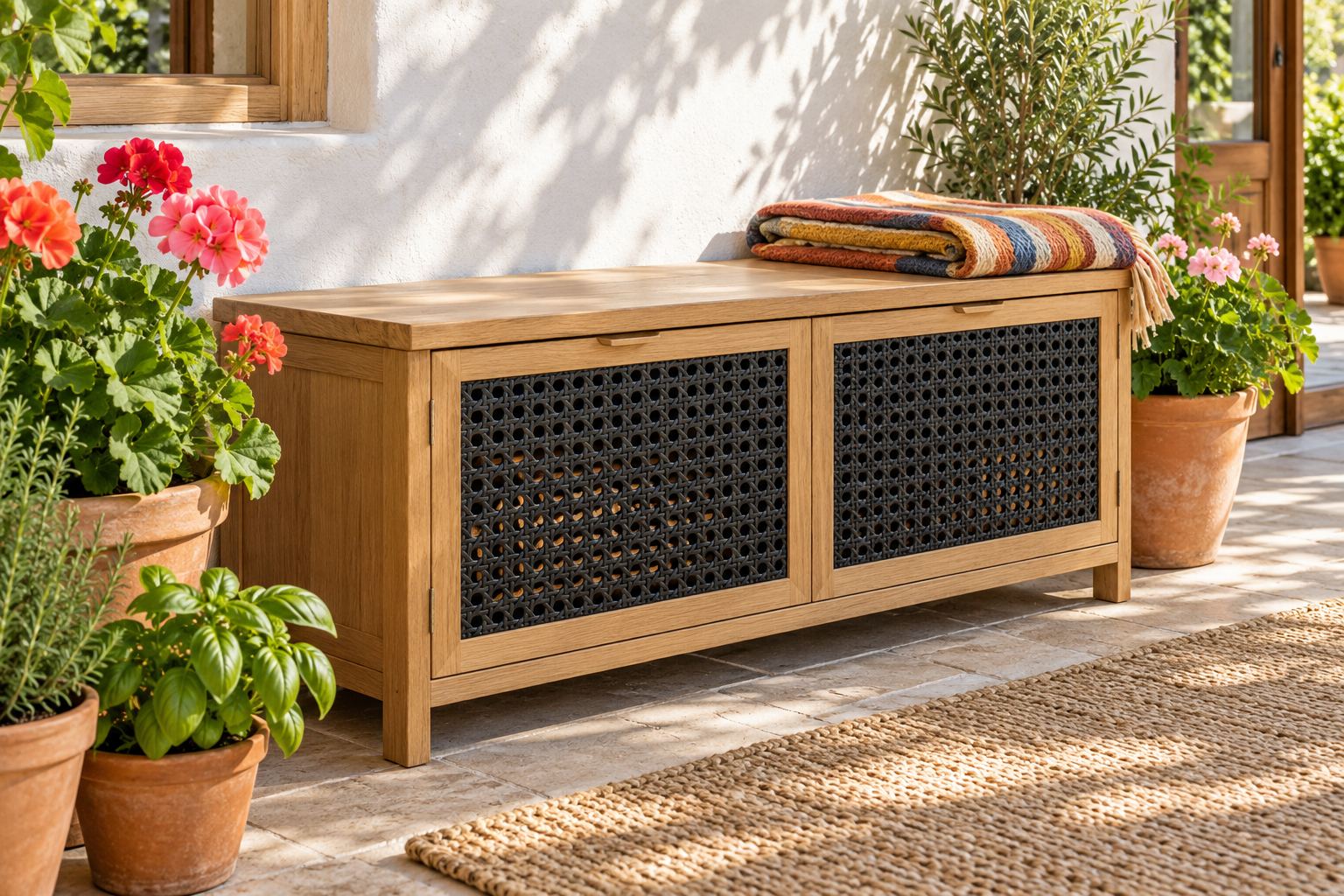
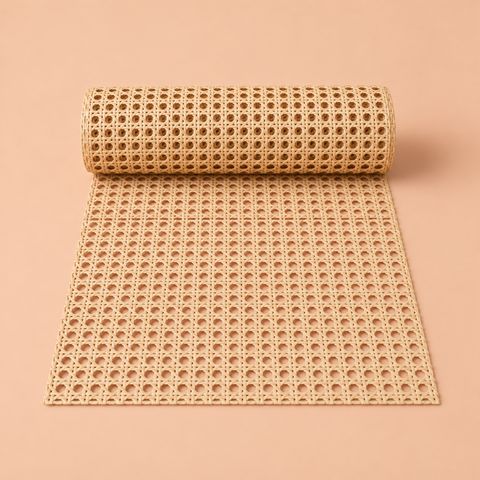
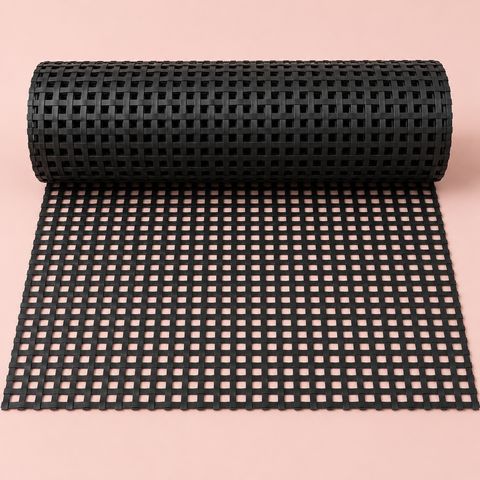
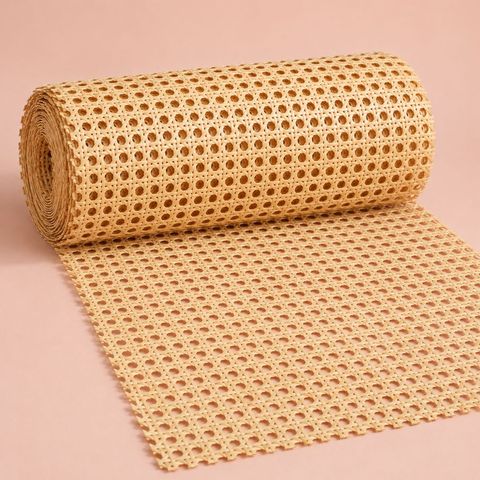
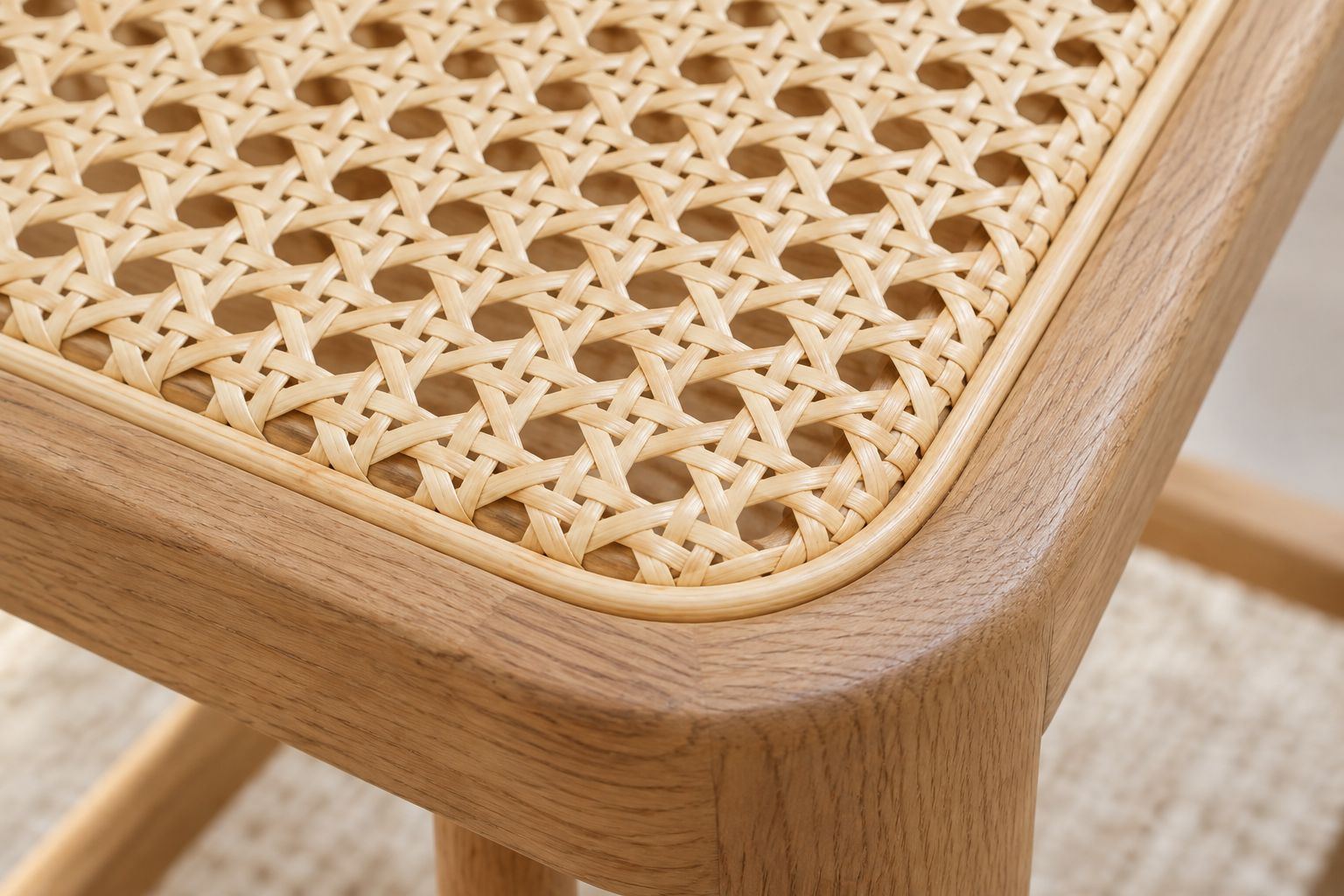
Natural cane webbing is woven from the glossy outer skin of the rattan palm. PE cane looks much the same, but it is woven from polyethylene strands, the same family of plastic used in most resin patio wicker. Both come in open and square weaves, and both install in much the same way. The real difference is how they handle water, and that decides where each one belongs.
The short answer
- Indoors, in a dry room: natural cane. It has the gloss, depth and strand-to-strand color variation people want from cane.
- Anywhere it will get wet or stay humid: PE cane.
Side by side
| Natural cane | PE (synthetic) cane | |
|---|---|---|
| Material | Outer skin of the rattan palm | Polyethylene strands |
| Water and humidity | Tolerates a damp wipe; constant damp makes it sag and can mildew it | Stands up to rain and humidity |
| Sun | Dries out, turns brittle, changes color unevenly | Handles sun far better (no UV rating claimed) |
| Soaking before install | Yes, about 30 minutes in warm water | No, installed dry |
| After install | Shrinks tight as it dries | Stays as tight as you install it |
| Bending dry | Can crack if bent sharply | Bends without cracking |
| Look | Glossy, honey-blond, natural variation | More uniform, less glossy |
| Colors | Natural, semi-bleached, walnut-tone | Natural tan, coffee brown, black, white |
| Tightening later | Possible with a damp wipe underneath | Not possible |
Water and humidity
This is the big one. Natural cane is a plant fiber. A damp wipe now and then keeps it flexible, but rain, steam and standing water are another matter. Wet cane relaxes and sags. If it stays damp, it can grow mildew, and repeated soak-and-dry cycles wear it out.
PE does not absorb water. It does not swell, sag or rot, and you can wipe it down or rinse it. That makes it the right choice for bathroom vanities, laundry rooms, outdoor kitchens and anything near a pool or on a boat. Remember that the frame behind the cane is still wood: give it an exterior or marine finish if it will see weather.
Sun
Direct sun is hard on natural cane. It dries the fiber, makes it brittle, and bleaches or darkens it unevenly. PE handles sunlight far better, which is why resin wicker became the standard for patio furniture. It is not indestructible. Like any plastic left outside for years, it can fade and eventually stiffen, and dark colors get hot to the touch in full sun. We do not claim a UV rating for it.
Look and feel
Side by side, natural cane wins on looks. Each strand has a slight shine and the color shifts from strand to strand, so it reads as a natural material up close. PE is more even in color and less glossy. At a few feet, on a porch bench, a boat cabinet or a vanity, most people will not notice. On a dining chair you touch and look at every day, they might.
To the hand, natural cane feels crisp and firm. PE feels a little smoother and softer.
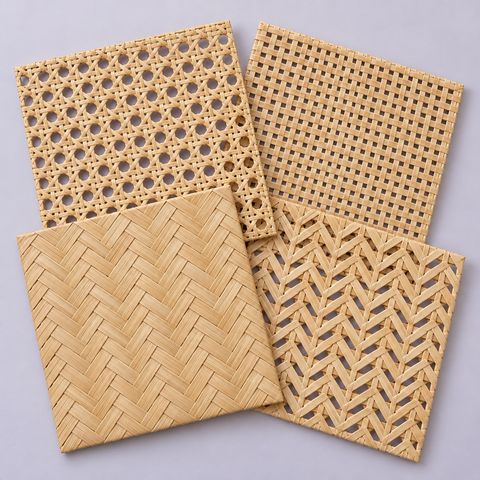
If you are unsure about a natural weave for an indoor project, the cane webbing sample pack has four 12 x 12 in natural pieces you can hold against your furniture.
How installation differs
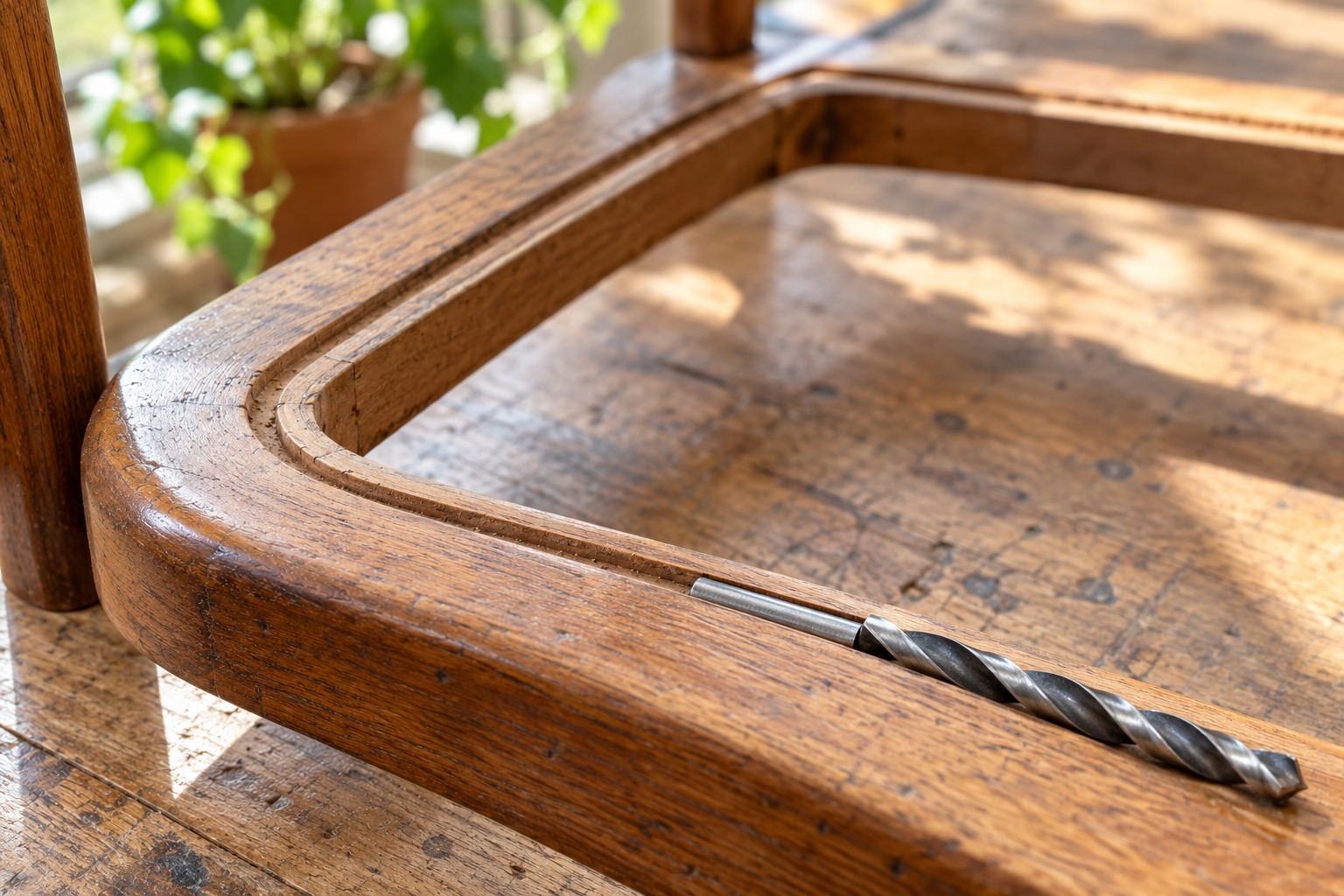
Both go on in the same two ways: stapled and glued behind a frame (cabinet doors, screens, panels), or pressed into a routed groove and locked with reed spline (chair seats). The full steps are in how to cane a cabinet door and how to replace a pressed cane seat. Here is what changes with PE.
- No soaking. PE goes on dry. Water does nothing for it.
- It will not tighten by itself. Natural cane goes on damp and shrinks drum-tight as it dries. PE stays exactly as tight as you make it. Pull it flat and even as you staple, working from the center of each side toward the corners.
- Staples do the holding. Glue does not grip polyethylene the way it grips cane fiber. Still run a bead of glue on the frame, but count on the staples, set a little closer than you would for natural cane, and on the trim strip over the edge.
- Grooves. In a chair seat, PE is pressed in and locked with spline just like natural cane, and the spline still follows the groove width: #7 for a 1/8 in groove, #8 for 3/16 in, #9 for 1/4 in, #10 for 5/16 in. The spline finder helps if you are not sure. Because PE will not shrink tighter, wedge it down firmly all round before the spline goes in.
- Cutting. Use sharp scissors or a fresh knife blade. PE does not split along the strands the way dry natural cane can.
Order the same overlap for both: at least 1 in larger than a door opening on every side, and at least 2 in wider and longer than the groove-to-groove size of a seat.
Where each one belongs
Bathrooms. PE for vanity doors, linen cabinets and anything that gets steam. Natural cane is fine in a powder room or a bathroom with a good fan, kept away from the shower.
Patios, porches and outdoor kitchens. PE. Even a covered porch gets blowing rain, dew and humid nights.
Boats and RVs. PE. Damp air, condensation and big temperature swings wear natural cane out quickly.
Kids’ rooms and playrooms. Either works on cabinet doors. PE wipes clean after sticky hands and does not mind a spilled cup. Natural cane is fine if it stays dry, but a broken natural strand has a sharp end, so check doors at kid height now and then. Neither one is made to be kicked or climbed.
Rentals and vacation homes. PE, because it forgives guests who do not know cane needs care.
Dining chairs, headboards, bedrooms and living rooms. Natural cane. These are dry, close-up spots where its look matters most.
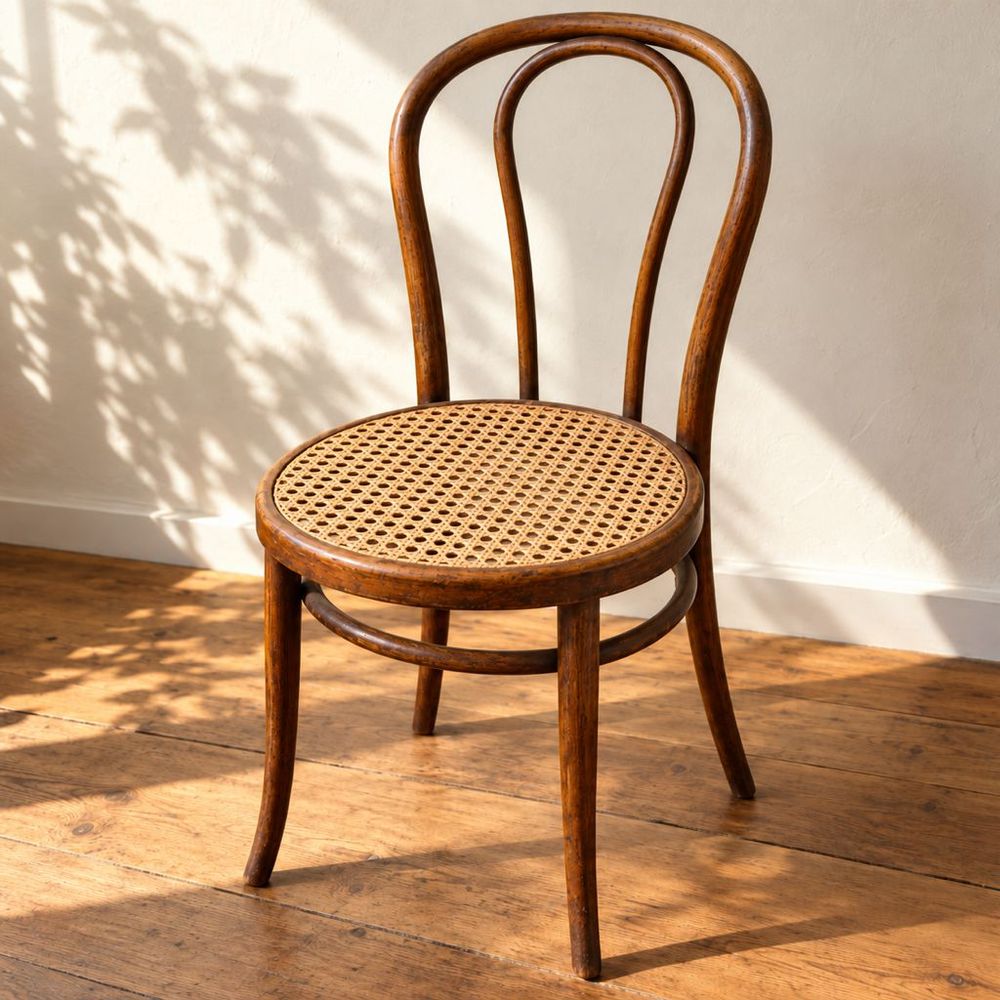
Antique and heirloom chairs. Natural cane, to match the original.
Can you use both in one house?
Yes, room by room. A kitchen with natural cane on the upper cabinets can use PE on the sink base, as long as the weave matches. The colors will not match exactly, so keep the two materials on separate runs of cabinets rather than on two doors side by side.
What we carry
PE cane webbing in open weave comes in natural tan, coffee brown, black and white, in 16 x 40, 16 x 72 and 24 x 60 in sheets. PE square weave comes in a 24 x 60 in sheet, natural tan or black. Natural open weave cane webbing comes in rolls 14 to 36 in wide, and the whole range is in cane webbing.